Office for Rare Conditions
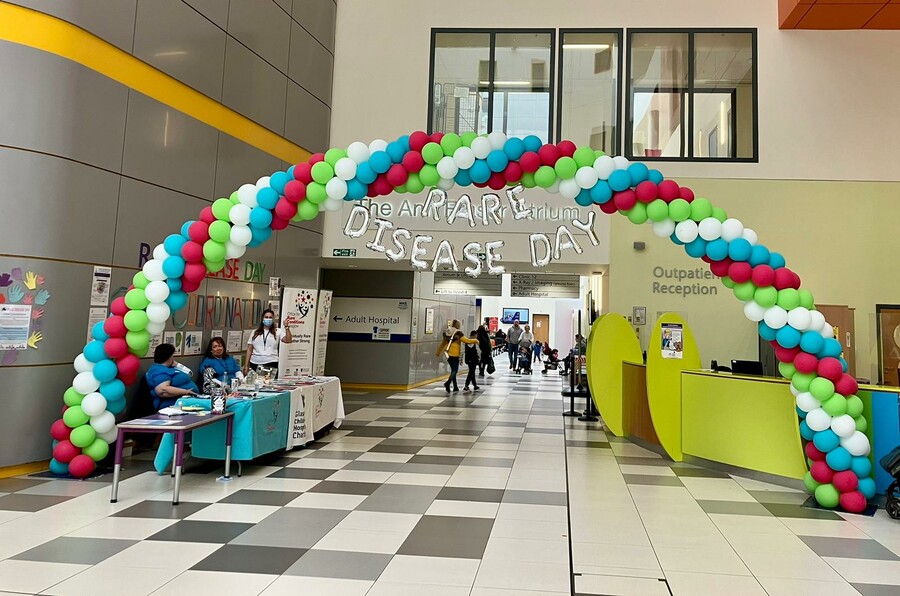
The Office for Rare Conditions provides information, guidance, and support to individuals and families affected by rare and undiagnosed conditions, helping them navigate their health journey with confidence.
Our goal is to empower patients and families by promoting self-management and supporting their ability to take an active role in their health and well-being.
We also work closely with healthcare professionals, supporting clinical teams in delivering patient information events and organising education sessions for professionals, ensuring better awareness and understanding of rare conditions.
By fostering strong partnerships and encouraging knowledge-sharing, we aim to improve the experience and care of those living with rare conditions.
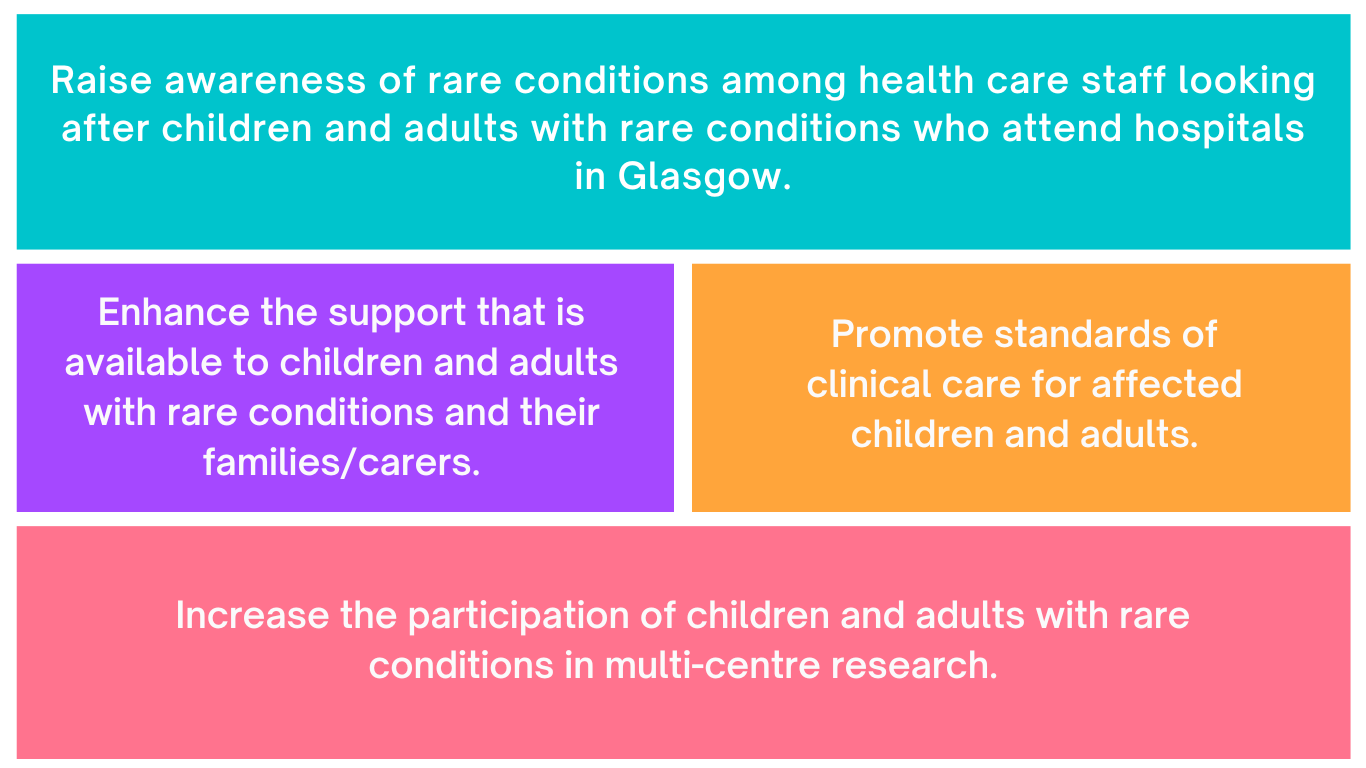
Our Objectives
Understanding Rare & Undiagnosed Conditions
- NHS Inform Scotland : Rare Conditions – Information on rare conditions, including diagnosis, testing and living with a rare condition.
- Genetic Alliance UK support and advocate for fast and accurate diagnosis, good quality care and access to the best treatments.
- Unique provides support, information and networking to families affected by rare chromosome and gene disorders.
- Syndromes Without A Name (SWAN UK) – is the only dedicated support network for families of children and young adults (0-25) with undiagnosed genetic conditions
- Children’s Health Scotland – Supports families in accessing the best possible healthcare through information, resources, and advocacy for healthcare rights.
Support for Children and Families
- CONTACT – for families with children living with disabilities, providing a wide range of support, guidance and advice.
- Young Minds – The UK’s leading charity fighting for a world where no young person feels alone with their mental health
- Carers Scotland – expert information, advice and support to make life better for carers. A carer is a person of any age who provides unpaid care and support to a family member.
- Rare Resources Toolkit – contains a wide range of information on how to access reliable information, care and support in Scotland.
- Family Support and Information Service – a service for Royal Hospital for Children (RHC) Glasgow, providing free impartial information and signposting for families of children attending the hospital.
- Teddy Hospital – at the RHC Glasgow, this GCHC funded service helps to prepare children in hospital for surgery, scans and other worrying procedures.
Education
- Enquire is the Scottish advice service for additional support for learning. Providing easy to understand advice and information about additional support for learning legislation and guidance for families and professionals.
- GIRFEC Parent & Carer Information Pack – provided by the Health & Social Care Alliance, Scotland this pack explains how Getting It Right For Every Child (GIRFEC) supports families.
Home/ Grants/ Equipment
- Family Fund – provides a wide range of grants to families living in Scotland raising a disabled, or seriously ill, child or young adult on a low income.
- REACT – React is here to provide basic essential equipment and aid unavailable from any other source for families caring for a child living with a potentially terminal illnes.
- Fledglings Shop – Contact’s not-for-profit shop, supplying life-changing products, clothings and equipment.
- SP Energy Networks – SP Energy delivers electricity safely across Central & Southern Scotland and maintains the local network. Contact them if your power goes out — and consider joining their Priority Services Register if you need extra support during outages.
Finance
- Young Patients Family Fund – If you’re the parent, parent substitute or sibling (aged under 18) of a young inpatient under the age of 18 receiving care at hospital, you can claim for the costs of travel and food.
- Money Matters – offers free, independent, confidential and impartial advice on a wide range of money matters.
- Citizen’s Advice Scotland – your local Citizen’s Advice Bureau provides free, confidential and impartial advice on a wide range of issues.
Activities
- ALISS – Find services, groups and activities for health and wellbeing across Scotland.
- Glasgowlife – Glasgow Life deliver activities for children and adults with disabilities.
Research
- NHS Scotland – supports high-quality research in Scotland to help patients benefit from better treatments.
- Scottish Strategic Network for Genomic Medicine – Genomics is the study of how our genes affect our health. Experts work together to understand this better, which helps develop new, more personalised treatments and medicines.
Support for Adults and Families
- Health & Social Care Alliance – aim to enable those living with a disability to ‘have a strong voice and enjoy their right to live well, as equal and active citizens, free from discrimination, with support and services that put them at the centre.
- Inclusion Scotland – A disabled people-led organisation working to ensure disabled individuals are fully included throughout all Scottish society as equal citizens. They focus on influencing policy and practice, supporting disabled people to be decision-makers themselves.
- Disability Equality Scotland – A membership organisation for disabled people and disability groups/organisations. They aim to ensure that the voices of disabled people are heard and acted upon.
- Sense Scotland – Provides support services to children, young people, and adults with complex communication needs throughout their lives. Services include daycare, short breaks, supported living, housing support, skills development, arts and outdoor sessions, and social clubs.
- Capability Scotland – Offers care, support, and education for disabled people. Services include residential care homes, care at home, housing support, and specialised education through two schools.
- Cornerstone – Provides care and support for people with learning disabilities, autism, and complex care needs. Services include adult placement, fostering and family placement, housing support, short breaks and respite care, and support services like care at home and daycare for adults.
- Quarriers – Offers care and support services for adults and children with disabilities, children and families, young people, young homeless people, people with epilepsy, and carers.
Registries
Patient Registries- What are they and why should you be interested?
A patient registry collects information (data) about patients who are affected by a particular condition. The data in registries can be entered by patients themselves, by their doctor or by a combination of the two. Information from each individual patient may be collected over a long period of time, which helps health care professionals to create better or new standards of care that can improve patient outcomes and life expectancy, even in the absence of new therapies.
Registries are also key instruments for increasing knowledge on rare conditions and play an important role in identifying specific research questions and patients who could take part in clinical trials.
Do you know if there is a patient registry for your condition? Ask your healthcare professional/patient association for information.